What is Crowdfunding?
A complete guide to crowdfunding for Shopify merchants. Learn how to validate products, raise funds, and build a loyal customer base before manufacturing.
Contents▼
Crowdfunding has transformed how creators and merchants launch new products. Instead of investing thousands upfront and hoping customers will buy, crowdfunding lets you validate demand first—collecting pre-orders and funds before you manufacture.
For Shopify merchants, this model eliminates inventory risk while building a community of early supporters. The global crowdfunding market reached $17.2 billion in 2024, and continues to grow as more creators discover its power.
What is Crowdfunding?
Crowdfunding is a method of raising money by collecting small contributions from a large number of people, typically through an online platform. In ecommerce, this usually takes the form of pre-orders: customers pay upfront for a product that will be manufactured and delivered later.
The creator sets a funding goal (e.g., $10,000) and a campaign timeline (e.g., 30 days). If the goal is met, the product gets made. If not, backers are refunded.
This model has helped creators launch everything from innovative gadgets to limited-edition merchandise, all without traditional retail inventory risk. While platforms like Kickstarter pioneered the model, modern merchants increasingly run campaigns on their own Shopify stores to maintain customer relationships and avoid platform fees.
Types of Crowdfunding
Not all crowdfunding works the same way. Choosing the right model depends on your product, risk tolerance, and business goals.
All-or-Nothing (Threshold Funding)
Funds are only captured if you hit your goal. If you fall short, all backers are refunded automatically. This is the classic Kickstarter model.
Best for: Games, board games, products with high minimum order quantities (MOQs), first-time launches where you need to prove demand.
→ See games & entertainment examples
Flexible Funding (Keep What You Raise)
You keep whatever you raise, even if you don't hit your goal. More freedom, but you must fulfill orders regardless of quantity.
Best for: Services, digital products, projects where partial funding still works. Fundpop offers this option on your own Shopify store.
Pre-order Campaigns
Ongoing campaigns without a hard deadline. Customers commit to buy before you ship—similar to crowdfunding but without the urgency of a campaign end date.
Best for: Repeat launches, vinyl drops, seasonal products, ongoing limited editions.
→ See musicians & vinyl examples
Donation-Based
Backers give without expecting a product in return. Common for causes, community projects, and nonprofits.
Best for: Charities, community causes, creative projects seeking patron support.
Quick comparison:
- All-or-Nothing — Payment only if goal is met. Zero risk, high urgency. Used by Kickstarter, Indiegogo, and Fundpop.
- Flexible — Keep what you raise even if goal not met. Medium risk, high urgency. Available on Fundpop.
- Pre-orders — Deferred or immediate payment. Low risk, medium urgency. Best for repeat drops, vinyl, limited editions.
- Donation — Immediate payment, no product expected. No risk, low urgency. Best for nonprofits and causes.
The 5 Phases of a Successful Campaign
Click any phase for actionable tips
Most successful campaigns run 21-30 days. Shorter builds urgency, longer loses momentum.
Pro Tip
Most Fundpop campaigns use all-or-nothing for product launches. It creates urgency and eliminates risk—if you don't hit your goal, you don't have to fulfill at a loss.
Why Crowdfunding Matters for Your Business
For Shopify merchants, crowdfunding solves the chicken-and-egg problem of product launches. Traditionally, you'd invest in inventory, hope it sells, and deal with unsold stock if it doesn't. Crowdfunding flips this: you validate demand first, manufacture second.
Zero inventory risk, validated demand:
- Test demand before production — Use customer funds to cover manufacturing costs
- Proof of concept for investors, suppliers, or licensors
- Built-in audience excited to receive and share your product
- Valuable feedback before finalizing production
Why run on your own store vs. Kickstarter?
Our merchants consistently cite these advantages:
- Keep 100% of customer data — Every backer becomes a Shopify customer you can market to forever. On Kickstarter, you lose direct access.
- Lower platform fees — Fundpop charges 0.5-1% vs Kickstarter's 5% platform fee (both have separate payment processing)
- Full brand control — Your store, your design, your checkout experience
- Build customer LTV — Repeat purchases and ongoing relationships, not one-time backers
- Preserve existing traffic — Don't divert customers to external platforms

“We had years of successful crowdfunding experience on Indiegogo. We wanted to bring this capability in-house to our own store. Fundpop worked with us closely—campaign was a massive success!”

Ryan Shuck
Lead Vocalist, Julien-K
Indiegogo
Switched from
Vinyl & LPs
Products
According to industry data, pre-orders can reduce inventory risk by 60-80%.
Key Benefits of Crowdfunding
-
Validate Before You Build — Test product ideas with real money commitments, not surveys or guesses. Real purchase intent tells you more than any market research.
-
Fund Production Upfront — Collect payments before manufacturing to eliminate financial risk. Use customer funds to cover production costs.
-
Build Community Early — Turn backers into brand advocates who spread the word and return for future launches. Early supporters become your most loyal customers.
-
Create Urgency and Scarcity — Limited-time campaigns with funding goals drive immediate action. No more "I'll buy it later" window shopping.
-
Keep Customer Data — Unlike Kickstarter, running campaigns with Fundpop means every backer is YOUR customer you can market to forever.
-
Lower Platform Fees — Fundpop charges 0.5-1% platform fee vs Kickstarter's 5% or Indiegogo's 5%. Payment processing (~2.9%) is additional on all platforms.
Note
Only 40% of Kickstarter campaigns reach their funding goal. Running on your own store with a pre-built audience dramatically improves your odds.
Crowdfunding by Industry
Different industries use crowdfunding in different ways. Here's how real merchants apply these strategies:
Games & Entertainment
Games of all types—from family games to tabletop RPGs—require significant upfront investment in manufacturing. All-or-nothing campaigns let creators validate demand before committing, with automatic refunds if goals aren't met.
Key tactics: All-or-nothing funding, stretch goals for milestone rewards, strong pre-launch email lists.
→ See games & entertainment examples
Board Games & Tabletop
Board game retailers use Fundpop for group-buying hard-to-find games, aggregating orders to meet minimum quantities. Publishers fund new releases with all-or-nothing campaigns. BoardHouse (Italy) even created a dedicated "FundPop Campaigns" section on their store.
Key tactics: Group-buy model, branded campaign sections, local market focus (no international shipping fees for customers).
VTubers & Streamers
Digital creators run high-volume merchandise campaigns—plushies, apparel, accessories—without upfront inventory costs. Pre-order models let fans reserve items before production.
Key tactics: Pre-orders for each drop, stretch goals to unlock bonus items, Discord community engagement.
→ See VTuber & streamer examples
Food & Beverage
Food brands use crowdfunding for flavor validation—testing new products before committing to full production runs. Multiple simultaneous campaigns let you compare demand across variants.
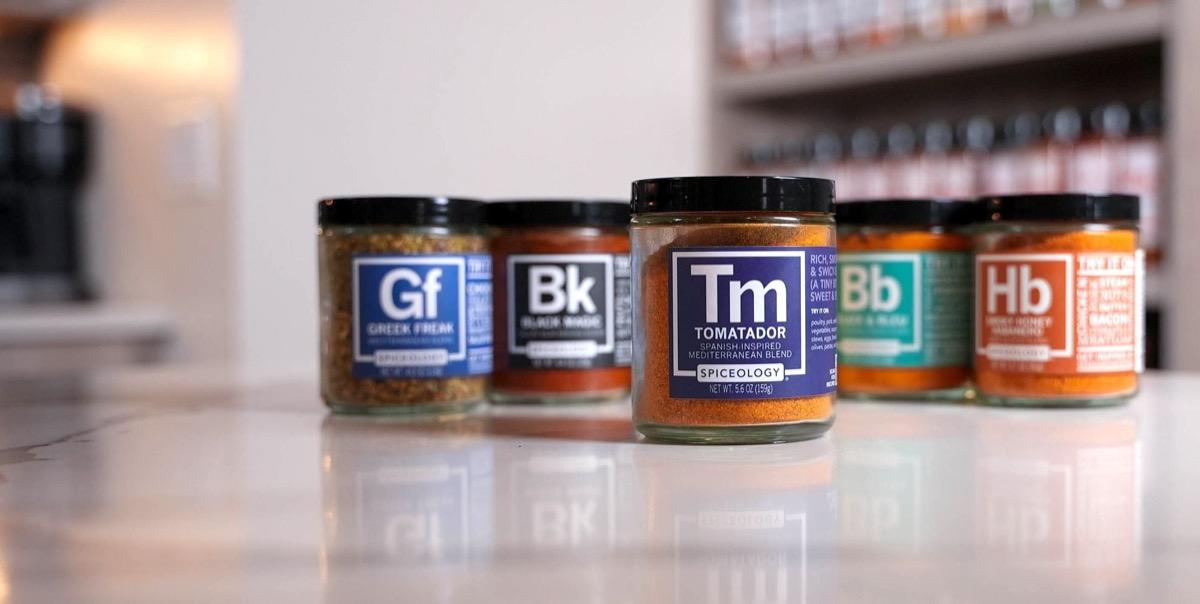
“Fundpop enables us to test out new flavor ideas, keep costs down, and deliver the flavor profiles people really want.”

Katie Capka
VP Marketing, Spiceology
1,429% funded
Best Campaign
18
Total Campaigns
Key tactics: Multiple concurrent campaigns, embed widgets in existing pages, compare demand across flavors/variants.
Musicians & Bands
Artists use crowdfunding for vinyl pressings, limited editions, and direct-to-fan releases. Many migrate from Indiegogo to run campaigns on their own stores—keeping customer relationships and higher margins.
Key tactics: Limited vinyl variants, signed editions, tiered rewards ($40 to $1,500), repeat campaigns for each release.
→ See musicians & bands examples
Publishers & Authors
Premium art books, special editions, and limited print runs are perfect for crowdfunding. High-ticket items ($150-500+) require brand-controlled experiences that marketplace platforms can't deliver.
Key tactics: Premium brand positioning, stretch goals for exclusive prints, all-or-nothing to create urgency, collector-tier rewards.
→ See publishers & authors examples
Pro Tip
See more industry examples on our Use Cases page, or explore detailed Case Studies from real merchants.
How to Get Started with Crowdfunding
Define Your Product and Funding Goal
Calculate your minimum order quantity, manufacturing costs, and desired margin. Your funding goal should cover production with room for unexpected expenses. Be specific about what backers will receive and when.
Pro Tip
Set your goal at the minimum viable amount. Lower goals are easier to hit and create momentum.
Create Your Campaign Page
Build a compelling product page with high-quality images, a clear value proposition, and transparent pricing. Include your timeline, stretch goals if applicable, and any early bird rewards.
Pro Tip
Show your production process. Backers trust creators who are transparent about how their product is made.
Build Your Launch Audience
Before launching, build an email list of potential backers. Share behind-the-scenes content, offer exclusive early access, and create anticipation. A campaign's success is largely determined before it begins.
Pro Tip
Aim for at least 100 email subscribers before launch. The first 48 hours set the tone for your entire campaign.
Launch and Promote
Launch to your email list first, then expand to social media and paid advertising. Keep backers updated throughout the campaign. Respond quickly to questions and celebrate milestones publicly.
Pro Tip
Schedule promotional content in advance so you can focus on customer conversations during the campaign.
Fulfill and Follow Up
Once funded, communicate production timelines clearly. Ship on time (or explain delays honestly). After delivery, ask for reviews and feedback to improve future launches.
Warning
Under-promise and over-deliver on timing. Backers remember delays more than early arrivals.
Common Mistakes to Avoid
-
Setting an Unrealistic Funding Goal — Goals that are too high create doubt; goals that are too low don't cover costs. Calculate your actual production needs and add a buffer for unexpected expenses.
-
Launching Without an Audience — Cold launching to strangers rarely works. Most successful campaigns get 30%+ of funding from people who knew about the project before launch.
-
Underestimating Production Timelines — Manufacturing takes longer than you think, especially for first-time creators. Talk to your suppliers about realistic timelines and add buffer time.
-
Ignoring Post-Campaign Communication — Backers invest in you, not just your product. Radio silence after funding erodes trust and kills repeat business. Send regular updates—even when there's nothing new.
Crowdfunding vs Pre-orders vs Regular Sales
Not sure which approach is right for your product? Here's how crowdfunding compares to other sales models:
Crowdfunding:
- Payment timing: Goal-dependent or immediate
- Inventory risk: Zero (validated first)
- Campaign deadline: Yes (creates urgency)
- Funding goal: Yes (all-or-nothing)
- Community building: High (shared goals)
- Stretch goals: Yes
- Best for: New launches, validation
Pre-orders:
- Payment timing: Immediate or deferred
- Inventory risk: Low
- Campaign deadline: Optional
- Funding goal: Optional
- Community building: Medium
- Stretch goals: Sometimes
- Best for: Repeat drops, limited editions
Regular Sales:
- Payment timing: Immediate
- Inventory risk: High
- Campaign deadline: No
- Funding goal: No
- Community building: Low
- Stretch goals: No
- Best for: Proven products
When to use each:
-
Crowdfunding — You're launching something new and need to validate demand before production. You want urgency and community engagement. Example: A game creator testing a new concept.
-
Pre-orders — You're confident in demand but want to collect orders before manufacturing. Repeat launches where you've proven the concept. Example: A musician releasing limited vinyl variants.
-
Regular sales — You have inventory on hand and proven demand. No need for validation—just sell. Example: Restocking a bestseller.
Pro Tip
Many merchants use all three. Launch with crowdfunding, continue with pre-orders for limited drops, and move to regular sales once you have steady inventory.
How Fundpop Helps with Crowdfunding
Fundpop brings crowdfunding directly to your Shopify store. Instead of sending customers to Kickstarter or Indiegogo—where you lose customer data and pay 5% platform fees—you run campaigns on your own storefront.
What our merchants say most:
- "Flexibility to run multiple campaigns at once" — Katie Capka, Spiceology (18 campaigns, 1,429% top result)
- "Campaign was a massive success!" — Ryan Shuck, Julien-K ($21K raised, 216% funded)
- "Very simple... feels like you never leave Shopify" — Lootbloc (68% success rate)
Key features:
- All-or-nothing or flexible funding models
- Real-time funding progress displays
- Countdown timers for campaign urgency
- Stretch goals & milestone rewards
- Deferred or immediate payment capture
- Native Shopify checkout integration
- From 0.5% Fundpop fee (vs 5% Kickstarter platform fee)
- Full customer data ownership for remarketing & LTV
Every backer becomes a Shopify customer you can market to forever. Every order flows through your existing checkout, shipping, and fulfillment setup.
Frequently Asked Questions
Products with clear value propositions, manufacturing minimums, or limited-edition appeal work best. Physical products like gadgets, apparel, and collectibles are popular. Digital products and services can work but need strong positioning. The key is having something people want and are willing to wait for.
Most successful campaigns run 21-35 days. Shorter campaigns (14-21 days) create urgency but give less time for word-of-mouth. Longer campaigns (45-60 days) can lose momentum. Start strong in the first 48 hours, maintain interest in the middle, and push hard in the final week. See our Campaign Execution Playbook for phase-by-phase tactics.
With all-or-nothing funding, backers are refunded and you learn valuable lessons for your next attempt. With flexible funding, you keep what you raised but must fulfill orders at potentially smaller margins. Both approaches have merit depending on your product and risk tolerance.
Not necessarily, but you need some audience. A smaller engaged audience often outperforms a larger passive one. Focus on email subscribers who have specifically opted in to hear about your launch. Quality beats quantity in crowdfunding.
Pre-orders are commitments to buy a product before it ships. Crowdfunding typically adds funding goals (minimum amounts needed), campaign timelines, and often reward tiers. Crowdfunding creates more urgency and community; pre-orders are simpler and ongoing.
Running on Shopify means you keep 100% of customer data for future marketing, maintain full brand control, and build long-term customer LTV. Platform fees are also lower: Fundpop charges 0.5-1% vs Kickstarter's 5%. Payment processing (~2.9% + $0.30) is comparable on both. The real advantage? Your backers become YOUR customers you can remarket to forever.
Fundpop platform fees are 0.5% on Premium ($99/month) or 1% on Standard ($9.99/month) and Pro ($29.99/month). Compare to Kickstarter's 5% platform fee. Payment processing (Shopify Payments ~2.9% + $0.30) is separate—similar to what Kickstarter charges via Stripe. Total fees ~3.5% on Fundpop vs ~8% on Kickstarter.
Absolutely. Fundpop supports milestone rewards that unlock at specific funding levels. You can display stretch goals to backers, automatically update when goals are hit, and even distribute bonus rewards. All the Kickstarter mechanics, on your own store.
Related Guides
Campaign Execution Playbook
The ultimate tactical guide: pre-launch, launch day, mid-campaign, and final push
Pre-order Campaign Guide
Step-by-step guide to launching pre-orders on your Shopify store
Stretch Goals Guide
How to use milestone rewards to increase campaign momentum
Kickstarter Alternative
Compare Kickstarter fees (5% + processing) vs running on your own store
Indiegogo Alternative
Why musicians and creators migrate from Indiegogo to Shopify
Use Cases by Industry
See how board games, musicians, VTubers, and more use Fundpop
Case Studies
Real campaign results from Lumios, Spiceology, Julien-K, and more